What Size Generator Do I Need? A South African Homeowner's Guide
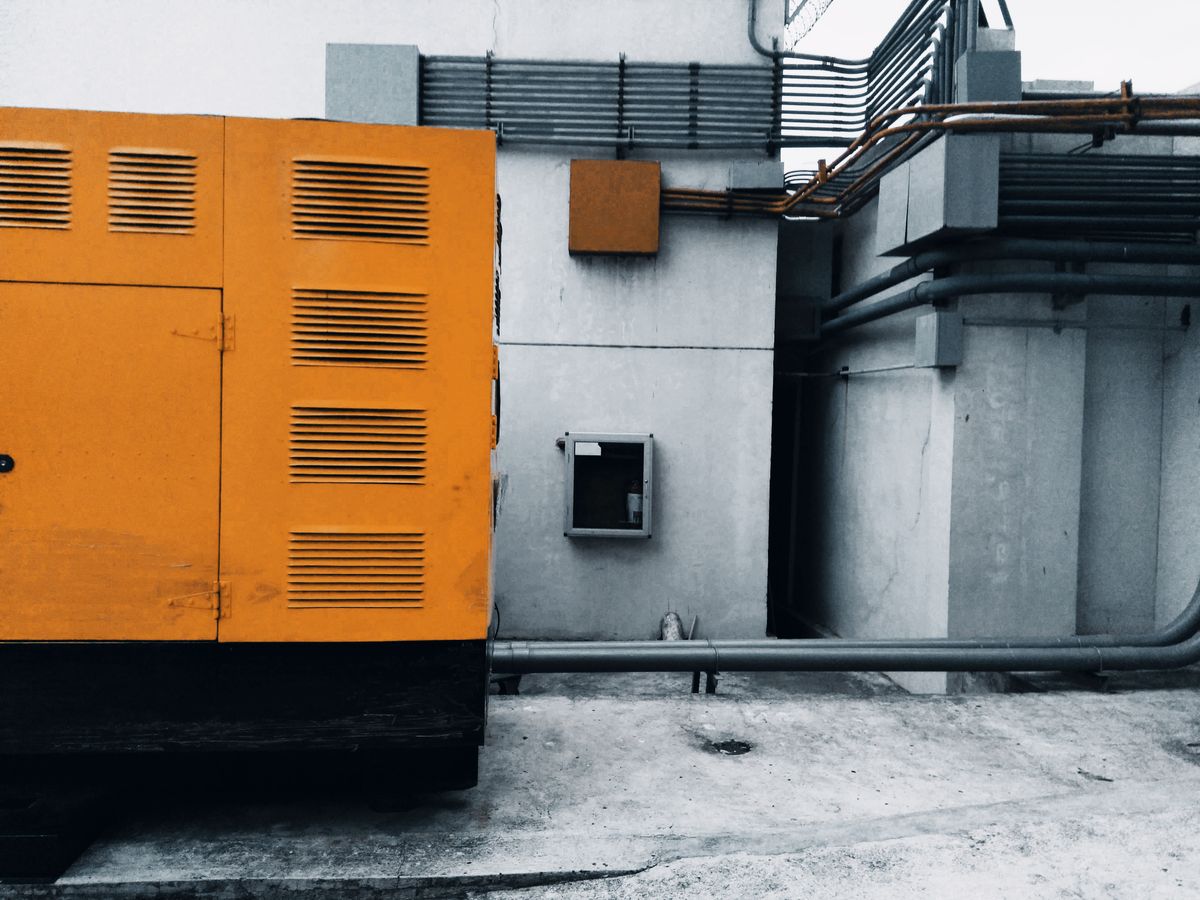
One of the most common questions we get from Cape Town homeowners and business owners is: "What size generator do I actually need?" Get it wrong and you either spend too much on an oversized unit — or you end up with an undersized one that trips under load or burns out prematurely. This guide walks you through how to size a generator correctly for South African conditions.
Understanding kW vs kVA
Generators in South Africa are rated in kVA (kilovolt-amperes) — apparent power — and kW (kilowatts) — real power. The relationship between them is: kW = kVA × power factor. Most residential generators have a power factor of 0.8, meaning a 5 kVA generator delivers 4 kW of usable power. When comparing generators, always compare the kW figure, not just kVA.
Step 1 — List Your Essential Appliances
Start by listing all the appliances you need to run during load shedding or a power outage. For each one, note its rated wattage (usually on a label on the back or bottom of the appliance). Here are typical wattages for common South African household appliances:
| Appliance | Typical Wattage | Notes |
|---|---|---|
| Refrigerator | 150–400 W | High startup current (×3) |
| Geyser (200L) | 3,000 W (3 kW) | Large load — avoid if possible |
| Microwave | 1,000–1,500 W | Short duty cycle |
| Kettle | 1,500–2,400 W | Short duty cycle |
| TV (LED) | 50–200 W | Low draw |
| LED lighting (per light) | 5–15 W | Negligible |
| Desktop computer + monitor | 300–600 W | Add UPS for clean power |
| Air conditioner (2.5 kW unit) | 800–1,200 W running | High startup current (×3–5) |
| Borehole / water pump | 750–2,000 W | High startup — use capacitor |
| Swimming pool pump | 1,000–2,000 W | High startup current |
Step 2 — Account for Startup (Surge) Current
Motors — in fridges, air conditioners, pumps, and compressors — draw 3 to 5 times their rated running wattage for the first 1–2 seconds when they start. Your generator must be able to handle this surge. If you plan to run an air conditioner rated at 1,000 W, size for at least 3,000–5,000 W of surge capacity on top of your running load. This is the most common sizing mistake.
Add up all running wattages of your essential appliances. Add 25% headroom. Then check that the generator's surge capacity can handle the largest motor startup. Never run a generator above 80% of its rated capacity continuously — this extends its life significantly.
Quick Sizing Guide for South African Homes
- 5–8 kVA (4–6.4 kW) — Lights, TV, fridge, laptop, modem, phone chargers, microwave. Ideal for basic load shedding backup in a small to medium home. Will not run a geyser or air conditioner.
- 10–15 kVA (8–12 kW) — Everything above plus a small air conditioner, borehole pump, or pool pump. Good all-round home generator. Most popular choice for Cape Town family homes.
- 20–40 kVA (16–32 kW) — Large homes with multiple air conditioners, a geyser, and full essential loads. Suitable for small commercial operations, guest houses, and farms.
- 50+ kVA — Commercial, industrial, and large agricultural applications. Requires a proper load study by an engineer.
Should I Go Single-Phase or Three-Phase?
Most residential properties in Cape Town are single-phase (230V). If your property has a three-phase supply — common in larger homes, farms, and commercial properties — you'll need a three-phase generator to match. Installing a single-phase generator on a three-phase supply is technically possible with the right transfer switch, but a qualified electrician must design the installation.
Permanent Installation vs Portable Generator
A portable generator is a low-cost entry point, but it requires manual starting, running extension cords, and produces fumes that must be kept outdoors. A permanently installed standby generator — connected to an automatic transfer switch — starts automatically within seconds of a power failure and powers your entire property (or selected circuits). This is the preferred solution for homes, medical facilities, and any property that can't afford downtime.
Quadron Electrical installs generator systems in Cape Town from portable standby connections to fully automated commercial standby systems. We handle the complete installation including automatic transfer switches, fuel management, and compliance certification.
Get a Professional Load Assessment
The most accurate way to size a generator is a professional load assessment — where we measure your actual consumption and identify your critical loads. This is included in our free site visit for all generator installations. Contact us to get started.
Cape Town generator installation specialists. We size, supply, install, and commission generator systems for homes, businesses, and farms across the Western Cape.